Delhi’s water may pose uranium-related health risks, expert says
Is Delhi’s drinking water safe? Expert warns of health risks from uranium exposure
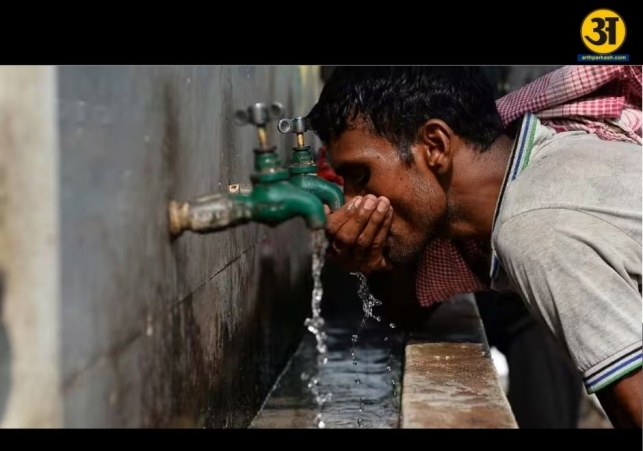
Access to safe drinking water is essential for good health, yet recent reports have raised serious concerns about the safety of Delhi’s water supply. Studies have detected uranium, along with other harmful substances like arsenic, lead, iron, and manganese, in groundwater sources across the city. This contamination is not just a problem for drinking water; it also affects soil quality, crops, and the overall environment, increasing health risks for residents who rely on local water sources over time.
Uranium contamination is particularly worrying because it is a heavy metal that can harm the body chemically, even though its radioactivity is not the main danger. People are most at risk from ingesting contaminated water, as uranium is poorly absorbed through the skin. This means activities like bathing or washing with uranium-contaminated water are less harmful than drinking it. Dr Aravinda S N, Lead Consultant of Internal Medicine at Aster RV Hospital, emphasizes that prolonged exposure to uranium in water can cause serious health problems, especially affecting the kidneys, bones, and nervous system.
Health risks of uranium-contaminated drinking water
The kidneys are the primary organs affected by uranium. Since kidneys filter toxins from the blood, they cannot easily remove uranium from the body. Over time, this heavy metal can lead to permanent kidney damage, reduced kidney function, and even chronic kidney disease. Dr Aravinda warns that long-term exposure increases the risk of kidney and urinary tract cancers. People with pre-existing kidney conditions are particularly vulnerable, as uranium can accelerate the decline in kidney health.
In addition to kidney damage, uranium can accumulate in bones, leading to weakened bones and related skeletal problems. Children and infants are especially at risk because their bones are still developing, and elevated levels of iron and manganese in the water can further affect growth and bone maturation. Experts note that even mild contamination over long periods can cause developmental issues in children, including delayed growth, weaker bones, and difficulties in cognitive development.
ALSO READ: 150 years of Vande Mataram: BJP, Congress clash over missing stanzas
ALSO READ: Government expands crackdown by banning 23 organisations under UAPA in five years
Neurological health is another area of concern. Chronic exposure to uranium can affect the nervous system, potentially causing memory problems, difficulty concentrating, and overall cognitive decline. In children, these effects may appear as learning difficulties or developmental delays, which can have lifelong consequences if not addressed.
High doses of uranium can also lead to gastrointestinal problems. People may experience inflammation of the stomach and intestines, causing vomiting, diarrhea, and discomfort. In some cases, uranium exposure can affect liver function and blood chemistry, further straining the body’s ability to stay healthy. Pregnant women are particularly at risk, as uranium and other heavy metals may impact fetal development and increase the risk of complications during pregnancy.
Experts stress that the problem is not limited to uranium alone. Other heavy metals found in Delhi’s groundwater, such as arsenic and lead, also pose significant health risks. Lead exposure can damage the nervous system, affect IQ in children, and increase the risk of cardiovascular diseases in adults. Arsenic, on the other hand, can cause skin lesions, cancer, and other serious chronic health issues. When these contaminants are present together, the cumulative effect can be far more harmful than individual substances alone.
What makes the issue even more challenging is that water treatment systems may not completely remove uranium and other heavy metals. Standard filtration methods often fail to eliminate these toxins, and many households rely on untreated groundwater, especially in areas with limited municipal supply. Dr Aravinda recommends regular testing of water at home and the use of advanced filtration systems capable of removing heavy metals. Boiling water, while effective against bacteria, does not remove chemical contaminants like uranium.
Long-term safety measures include monitoring groundwater quality, improving public water treatment facilities, and increasing public awareness about the risks of contaminated water. Residents should also be informed about simple preventive steps, such as using bottled or filtered water for drinking and cooking, particularly for infants, children, pregnant women, and elderly people who are more susceptible to the harmful effects of uranium.
In conclusion, uranium contamination in Delhi’s drinking water is a serious public health concern that should not be ignored. The hidden risks include kidney damage, weakened bones, nervous system impairment, gastrointestinal problems, and developmental issues in children. Along with uranium, other heavy metals like arsenic, lead, iron, and manganese add to the dangers. Awareness, regular water testing, and proper filtration or safe water alternatives are crucial to protect health and prevent long-term complications. Dr Aravinda emphasizes, “Residents need to take this issue seriously and adopt practical measures to reduce exposure, especially for vulnerable populations.”
Safe drinking water is not just a convenience—it is essential for long-term health. With proactive measures, families in Delhi can reduce their risk of uranium-related health issues and ensure better wellbeing for all.
Related News